
By: Nitya Shah
In the grand fashion show of life, where no one asked for a ramp walk, women in Nepal have been strutting down an invisible runway for generations. The judges? The ever-watchful eyes of society—Aunties from the neighbourhood, uncles leaning on their cycles, and even the occasional goat that pauses mid-graze to offer its unsolicited opinion.
There are more than many problems that need to be considered and delved deeper. One of them being the skin tone of an individual: in this case, especially the females lodging in our society. Before a baby girl can even say “aama,” her skin color becomes the talk of the town. “Chhori jhanai kalo raixa ta! Kesari le ghisnu parcha!” (She’s quite dark! Apply turmeric!). As if turmeric is some magical Photoshop filter. Meanwhile, fair-skinned girls get praises like, “Wah! Yo ta heroine jasto cha!” (Wow! She looks like a movie star!). No pressure, though, just the weight of a fairness cream commercial running 24/7 in real life. The offender does not even seem to realise their words have such a heavy impact on the further life of the little one. Likewise, a woman’s body has always been the talk of the town,disgustingly. Is she too thin? “Hadi matra cha! Khana dindaicha ki nadine?” (She’s just bones! Are they not feeding her?).
Is she too fat? “Buhari ta jaado dherai kha jasto cha hai!” (Looks like the daughter-in-law is enjoying her food a little too much!).
Somewhere in between? “Jhumka le harayo jasto cha!” (She looks like she lost her earrings—implying she’s neither here nor there). No matter what the body type, there’s always a free analysis session, courtesy of society’s self-appointed fitness trainers
Like all of this was not enough, shamefully, people now even judge the way a girl walk. Walking too confidently? “Kasto sasura bari jasto hidcha!” (She walks like she owns the place!).
Walking too shyly? “Aba yesari katkatai hidne ho ta?” (Why does she walk like she’s afraid of the world?).
The lesson? Perfecting the Goldilocks walk—not too bold, not too timid, just the right amount of socially approved awkwardness. This is not just the end, in fact , a woman’s appearance has always been a topic of debate and that debate especially consists of the use of makeup in it and the way you style yourself. Too much makeup? “Oho! Beauty parlour bata aaunu bhako ho?” (Oh! Did you just come from a salon?).
No makeup? “Keti ho ki bhut ho?” (Is she a girl or a ghost?).
Wearing jeans? “Chhori bideshko jasto bhayechha!” (She’s become too Western!).
Wearing a saree? “Didi ma jhanai budi dekhiyo hai!” (She looks older than her age!).
Lastly, there comes The Grand Finale: Marriage—The Final Catwalk. All this grooming is, of course, for the final showdown—the wedding market. If a girl is deemed “catwalk ready”, she gets a green light from the elders: “Ramro bhayecha, baaliko bihe garna milcha!” (She’s good enough; we can get her married!). If not, well, there’s always more turmeric, a diet plan, or unsolicited life advice waiting around the corner.
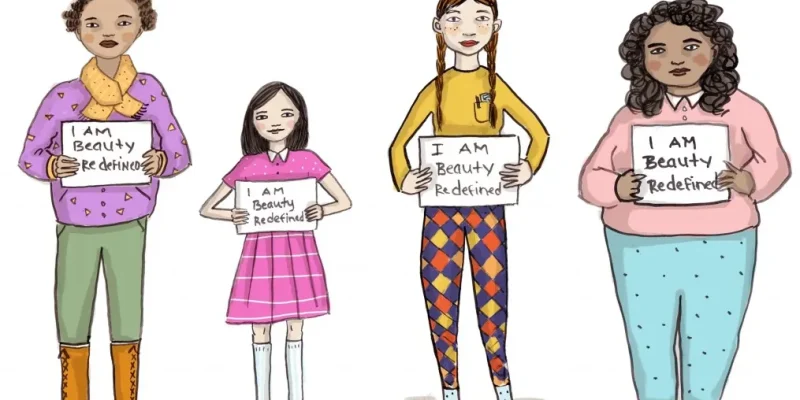
In a world where women are expected to “walk” according to society’s rules, maybe it’s time they create their own runway—one where confidence, intelligence, and individuality set the trend. Because the real beauty isn’t in fitting into society’s mould; it’s in breaking it. So, dear judges of this Traditional Catwalk, maybe it’s time to put down your judgement of yours and just let women be themselves.