
Preeti Kafle
Online platforms and digital tools have become integral to our daily lives. From helping us map our routes and track Sajha Yatayat to QR codes replacing cash and apps that monitor our pulse, innovation is transforming the ways we travel, stay informed, and take responsibility for our health and well-being. Additionally, artificial intelligence integrated into these platforms has personalized experiences, promoted more informed decision-making, and expanded access to timely and accurate information.
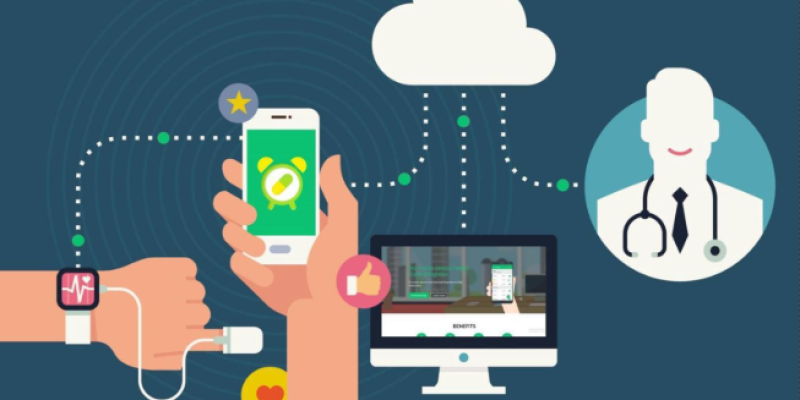
Although these innovations aren’t limitless, they have opened vast possibilities, particularly in the healthcare sector. Technology is bridging gaps in access to healthcare services. The pandemic has accelerated the pace of tech innovations for better and more accessible care. In remote areas, where the nearest hospital might be a two-day walk or a long bus ride, telemedicine serves as a lifeline. eHealth Nepal and Hamro Doctor are examples of platforms enabling patients to video-call specialists for everything from diabetes follow-ups to prenatal check-ups. Digital healthcare innovations have empowered patients in decision-making and the treatment process regarding medical issues.
Likewise, artificial intelligence has increased the availability of medical consultations with AI chatbots. Patients can access the information they need anytime and receive improved healthcare. Ma Chhu Ni, UNICEF’s Tele Mental Health Chat Bot initiative, offers a safe and confidential space to share thoughts and feelings. The Chabot connects individuals with mental health professionals who can provide the guidance needed to navigate these challenges.
Moreover, a chatbot not only assists teens in gaining access to on-demand and confidential sexual and reproductive health information but also empowers adolescents to make informed decisions about their reproductive health. It helps overcome the stigma of asking sensitive questions related to sexual and reproductive health.
However, evidence suggests that digitalization of healthcare also faces some challenges, which vary from technical, geographical, economic, ethical and privacy, and human resource-related challenges. The hilly regions have difficult transportation, obstructing the healthcare system. For example, the installation of mobile towers, computers/devices, and causing maintenance difficulties. Lack of financial support, especially for buying expensive equipment, high fees for equipment installation, training the staff and health workers at different levels, challenges the integration of AI in healthcare. Lack of proper basic internet and telephone service within healthcare organizations inhibits video consultations between health professionals.