By Nitya Shah
Have you ever felt like your phone slowed down just after a new model was released? Or maybe your washing machine stopped working right after its warranty expired. If this sounds familiar, you’re not alone in this and it might not be a coincidence. Welcome to the world of planned obsolescence, where products are designed not to last.
In a world driven by consumerism and rapid innovation, planned obsolescence is a hidden force pushing us to replace rather than repair. But this seemingly clever business tactic has far-reaching consequences for our environment, our wallets, and our well-being.
Planned obsolescence: A business strategy where products are designed with a limited lifespan or functionality, encouraging consumers to repurchase them sooner than necessary. Whether it’s through hardware that breaks easily, software updates that slow down your device, or new trends that make older models feel outdated. This practice aims to boost sales and profits by creating a cycle of consumption, but it also raises concerns about environmental sustainability and economic fairness.
— the goal is simple: make consumers keep buying.
There are various types of planned obsolescence. Some of them are listed below in points.
- Technological Obsolescence
Devices become incompatible with newer software updates (like older phones unable to run the latest apps).
- Functional Obsolescence
Products are designed to fail or be difficult to repair. example: think of electronic items with sealed batteries or no spare parts available.
- Perceived Obsolescence
Brands make you feel like your item is outdated, even when it works perfectly (like fashion trends or car models).
- Systemic Obsolescence
Companies lock consumers into their ecosystem. For example, Apple’s proprietary charging cables or software restrictions.
Planned obsolescence is not an accident. It’s part of a business model that thrives on rapid consumption. This exists in the business market.
- For companies: It increases profit by shortening the time between purchases.
- For consumers: We’re influenced by advertising, peer pressure, and the urge to “upgrade.”
- For the industry: There’s constant pressure to release new features and stay ahead in the market.
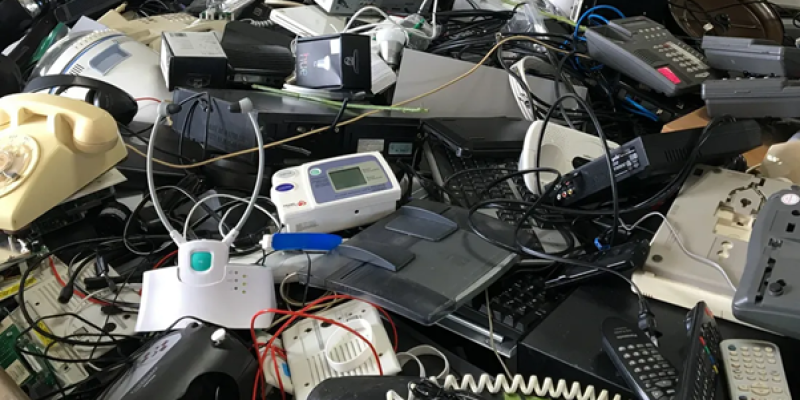
Planned obsolescence has significant negative consequences for the environment, economy, and human health. It contributes to the e-waste crisis, harms ecosystems through toxic landfill waste, and exacerbates resource depletion from mining. Economically, it strains consumers, particularly low-income individuals, who face regular product replacements, further entrenching inequality. Workers in developing countries suffer from unsafe conditions while processing e-waste and manufacturing fast fashion. However, movements like Right to Repair and eco-design regulations are gaining traction, empowering consumers to demand longer-lasting, repairable products. By adopting conscious consumption practices, supporting repair initiatives, and advocating for corporate accountability, individuals can challenge the throwaway culture and drive meaningful change towards sustainability and equity.
At the same time, consumer awareness is rising. People are beginning to ask critical questions like, “Why can’t I fix my phone?” and “Why does this break so quickly?” pressuring companies to be more transparent and accountable.
As individuals, there are several actions we can take. Buying fewer, higher-quality items that last longer helps reduce waste. Supporting the Right to Repair movement by signing petitions and advocating for consumer-friendly policies can push governments to act. Choosing to repair instead of replace, and supporting local repair shops, also plays a crucial role. Additionally, resisting pressure to buy into trends and demanding corporate responsibility for spare parts and repair services can drive meaningful change.
In conclusion, while planned obsolescence benefits corporations, it comes at a steep cost to the planet, people, and future generations. As conscious consumers, we have the power to challenge this unsustainable model. When we demand better, companies and policymakers are forced to respond. It’s time to shift away from a throwaway culture because in the fight against environmental damage and economic inequality, durability is a powerful form of resistance.
We are the generation that holds the power to shape a more sustainable, just, and conscious world. In a time when companies design products to break faster just so we keep buying more, it’s important to stop and ask — at what cost?
Planned obsolescence is not just about broken phones or worn-out clothes. It’s about a broken system . one that’s harming our planet, exploiting workers, and deepening inequality. But the good news is: you don’t have to accept it.
Your choices matter. Every time you choose to repair instead of replace, buy from ethical brands, or speak up for your right to repair, you’re pushing back against a system that profits from waste. You’re telling the world that durability, sustainability, and fairness are more important than endless upgrades and fleeting trends.
Use your voice, your platforms, and your influence to raise awareness. Ask questions. Challenge corporations. Support policies that protect consumers and the environment.
You don’t have to be perfect — just aware, intentional, and bold. Remember, change often begins with those who dare to care.
Let’s move away from a throwaway culture. Let’s build a future that values people and the planet over profit.
Durability is resistance — and you are the movement.