BY RAJON SHRESTHA
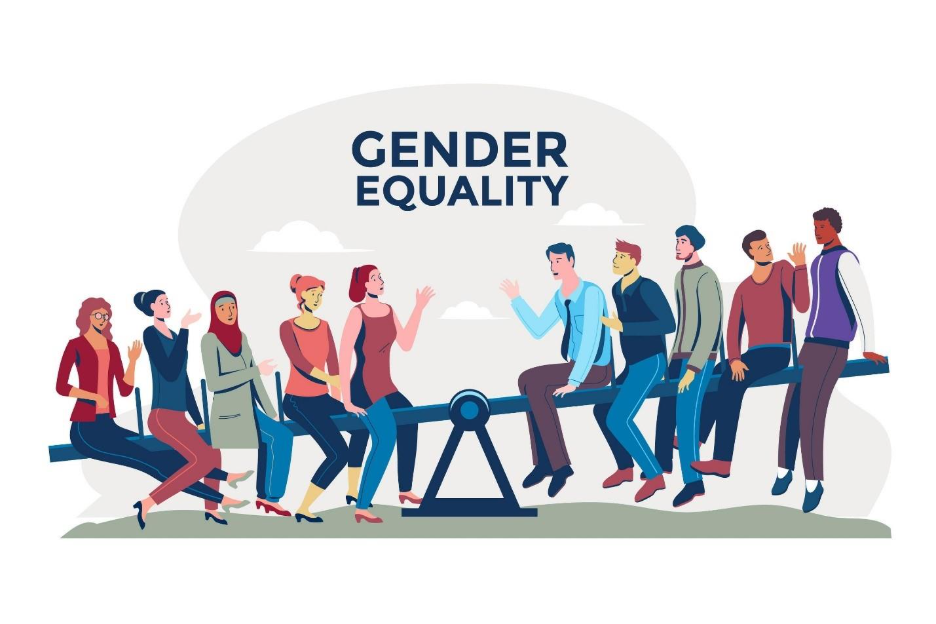
In a world striving for peace, prosperity, and sustainable development, gender and social equity remain at the heart of these aspirations. From the villages of Nepal’s mountains to the cities of the Global North, the struggle for fairness, dignity, and inclusion connects us all. Yet, inequality and injustice continue to shape millions of lives—fueling exclusion, insecurity, and instability.
Social inequality, social exclusion, social insecurity, and social injustice are deeply linked. One fuels the other, creating a cycle that marginalizes those already at risk—whether due to gender, caste, ethnicity, disability, economic status, or sexual orientation.
Globally, progress toward equality is threatened by rising fragility—conflict, climate change, economic shocks, and political unrest deepen vulnerabilities for women, marginalized communities, and minorities.
In Nepal, despite legal and policy gains—including constitutional guarantees for gender equality and social inclusion—patriarchal norms, caste-based discrimination, and geographic barriers continue to limit the rights and opportunities of many, especially women, Dalits, Janajatis, persons with disabilities, and LGBTQI+ individuals.
Gender and Social Equity for Peace and Development
- Inequality breeds insecurity and instability. When people are denied fair access to resources, justice, and participation, societies become fragmented, trust erodes, and conflict risks grow.
- True peace means social inclusion, equity, cohesion, and justice—where everyone can live with dignity, contribute to society, and feel safe and valued, whether as an individual, in a community, or within a nation.
Pathways to Systemic Change
Building gender and social equity requires more than isolated projects or policies. It demands integrated, strategic, and do-no-harm approaches that address the root causes of injustice and inequality.
Policy and Legal Reform
- Laws must include, protect, and account for all genders—women, men, youth, and diverse gender identities (including LGBTQI+), both in principle and in practice.
- Nepal’s Constitution (2015) enshrines gender equality and the right to social justice—but gaps in enforcement and harmful customary practices persist.
- Globally, SDG 5 (Gender Equality) calls on countries to eliminate discrimination, violence, and harmful practices while ensuring equal participation in decision-making.
Good Governance and Inclusion
- Social equity depends on governance that invites participation, safeguards rights, and ensures everyone has voice, choice, and opportunity.
- Nepal’s federal system offers a chance to bring governance closer to marginalized groups, but effective inclusion in local planning and budgeting still faces challenges.
- Globally, SDG 10 (Reduced Inequalities) and SDG 11 (Sustainable Cities and Communities) emphasize inclusive, safe, and participatory governance to leave no one behind.
Culture and Values
- Laws and governance are shaped by the values of duty bearers (leaders, institutions) and rights holders (citizens).
- When individual and collective values uphold diversity, dignity, and human rights, they foster inclusion. When they reflect prejudice, exclusion persists.
- Both Nepal’s rich cultural diversity and global movements (e.g., MeToo, Black Lives Matter, Dalit Lives Matter) show how values can drive or hinder equity.
A Call for Collective Action
- In Nepal, ending gender-based violence, eliminating caste and ethnicity-based discrimination, and empowering women and marginalized communities at all levels of governance must remain priorities.
- Globally, rising inequalities, climate change, and conflict demand solidarity and shared responsibility to build equitable societies that respect the rights of all.
- Integrated solutions: Address inequality at its roots—through legal reforms, inclusive governance, and value shifts—rather than piecemeal efforts.
- Do-no-harm approaches: Ensure policies and programs do not reinforce discrimination or exclusion.
- Accountability and participation: From the local to the global level, ensure marginalized voices shape decisions that affect their lives.
- SDGs as a guiding framework: SDG 5 (Gender Equality), SDG 10 (Reduced Inequalities), SDG 11 (Inclusive Cities), and SDG 16 (Peace, Justice, and Strong Institutions) together provide a roadmap for action.
Gender and social equity are not just moral imperatives—they are essential for peaceful, just, and resilient societies.
Nepal, like many countries, stands at a crossroads: with the right policies, values, and collective will, it can translate constitutional promises into reality and inspire global progress.
Let’s commit to building systems where no one is left behind, and where diversity and inclusion are strengths that guide us toward a fairer world.