Year: 2025-2026
Supported by: IYAFP (The International Youth Alliance for Family Planning)
Major Component: Safe Abortion, Sensitization, Advocacy, Value Clarification, FCHV, Community people.
Introduction
Abortion is the medical or surgical termination of a pregnancy before the fetus can live independently outside the mother’s womb. It can occur spontaneously, referred to as a miscarriage, or be induced intentionally. The reasons for seeking an abortion can vary, encompassing personal, socioeconomic, medical, or ethical factors.
As of 2023, the situation surrounding abortion in Nepal has seen significant changes and developments over the years. Abortion was legalized in Nepal in 2002 under certain conditions, which marked a progressive step in women’s reproductive rights. The law permitted abortion up to 12 weeks of pregnancy upon a woman’s request, up to 18 weeks, abortion is allowed in cases of rape or incest, and after 18 weeks, it may be performed for specific medical reasons. Despite the legalization, access to safe abortion services remains a challenge in Nepal due to social stigma, lack of awareness, limited availability of trained healthcare providers, and geographical barriers, especially in rural areas. Cultural and societal norms often discourage open discussions about reproductive health, leading to widespread misinformation about safe abortion methods and consequences. Unsafe abortions are a significant public health issue in Nepal. Women who cannot access safe services may resort to unsafe methods, leading to complications that can be life-threatening.
This project aimed to increase access to safe abortion in Konjyosom Rural Municipality through a multi-step approach. We started by training Female Community Health Volunteers (FCHVs), who will then lead community awareness sessions with Mothers’ Groups. To shape supportive local policy, we conducted research with stakeholders and developed a situational analysis document. Finally, we ran a digital campaign featuring engaging content and a social media contest to educate and empower young people, dispel myths, and foster informed dialogue.
Major activities
Inception meeting with local government:
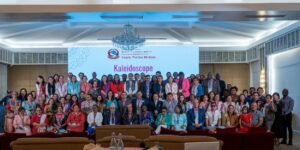
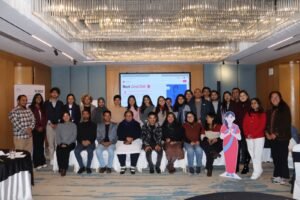
An inception meeting was conducted with the local stakeholders of Konjyosom Rural Municipality, Lalitpur. The main objective of this meeting was to share the goals and objectives of the project. The meeting involved the participation of the chairperson, deputy chairperson, section chief of concerned sections, safe abortion service providers, and other concerned stakeholders.
Orientation on Safe Abortion to Female Community Health Volunteers (FCHVs)
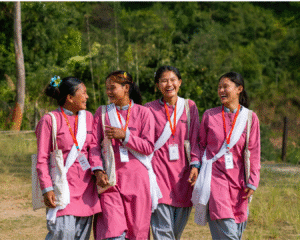
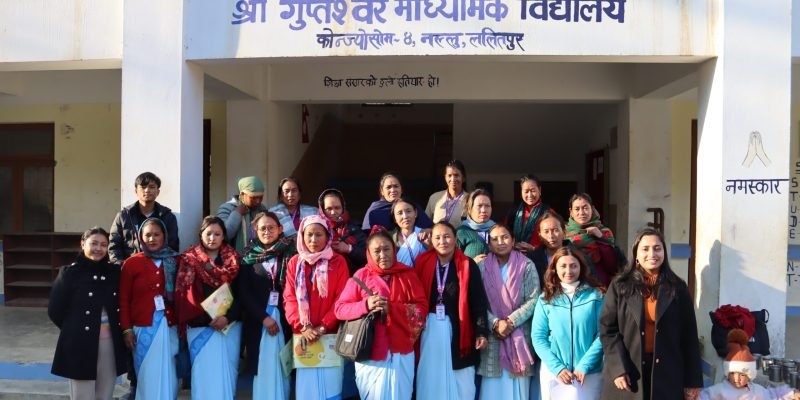
FCHVs are trusted members of their communities and often the first point of contact for health information. We provided a day-long orientation to 38 FCHVs in three batches. Key topics included legal provisions, safe abortion service centers, myths and facts, value clarification, confidentiality, and non-discriminatory care. Knowledge assessments before and after the orientation showed significant improvement in awareness and attitudes.
FCHV’s Led Safe Abortion Sensitization to the Mother’s Group
Upon completion of their orientation, Female Community Health Volunteers (FCHVs) facilitated sensitization sessions on safe abortion with local Mothers’ Groups (Ama Samuha). To ensure the contents are accurate, culturally sensitive, and legally appropriate, IEC material was provided to both the FCHVs and Mother’s groups. These sessions were embedded within the groups’ regular meetings. The primary objective of these interactions is to encourage informed reproductive health choices, foster open and stigma-free dialogue, and promote community support for women seeking safe abortion services. Through these sensitization sessions, 474 community people were sensitized about the safe abortion and its services through the mothers group meeting.
Research and Situation Analysis
Through Key Informant Interviews (KIIs) and a Focus Group Discussion (FGD) with the stakeholders of Konjyosom Rural Municipality, we developed a situation analysis document that highlighted service gaps, stigma, and community attitudes. This document was formally submitted to the municipality, strengthening accountability and evidence-based advocacy.
Digital Campaign
A social media campaign was launched to engage youth and the wider community. Activities included:
- Online Quiz Contest: Weekly safe abortion-related questions encouraged participation, reaching nearly 5,000 people and generating over 1,500 interactions.
- Informative Content: Creative videos and posts reached more than 11,500 people, sparking conversations and dispelling myths.
Closing Meeting
At the end of the project, a closing meeting was conducted with the local stakeholders of Konjyosom Rural Municipality to share the achievements of the project. The meeting involved the participation of the chairperson, deputy chairperson, the Health Coordinator of Konjyosom Rural Municipality, the section chief of the concerned sections, safe abortion service providers, and other concerned stakeholders. The situation analysis document was also submitted to the municipal chief.
Our Impacts:
38 FCHVs trained across all five wards, equipped with accurate knowledge and confidence to share information.
Improved knowledge (34%) of 38 Female Community Health Volunteers (FCHVs) across five wards towards safe abortion following the orientation
474 women of reproductive age reached through Mothers’ Group sensitization sessions.
Situation analysis document formally submitted to the municipality, creating a credible evidence base for future advocacy.
Youth champions empowered: 10 young leaders gained skills in facilitation, advocacy, and digital campaigning.
Digital reach: The campaign engaged 16,513 youths and generated 1,900 interactions, demonstrating strong community interest and acceptance.
Political commitment: The Municipality Chairperson publicly committed to supporting safe abortion programming, embedding the issue in the local government agenda.