By Rajon
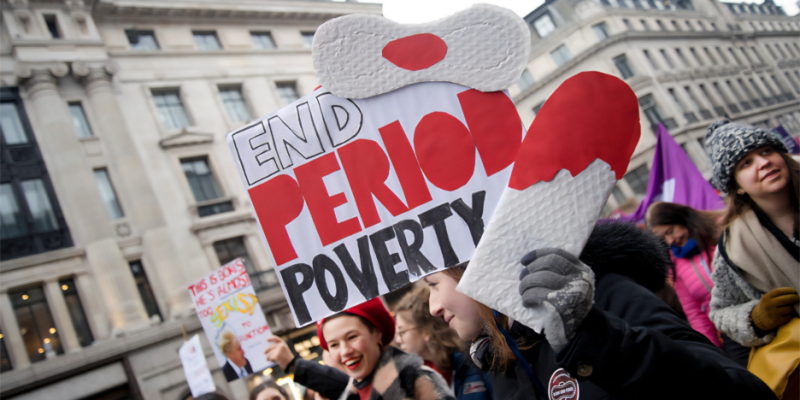
Period poverty—the inability to access menstrual products, sanitation facilities, or education about menstruation—is a pertinent issue that affects women and girls worldwide, including Nepal. Despite its breathtaking beauty, Nepal has its own peculiar perspective on this matter due to deep-rooted cultural taboos, poverty, and lack of infrastructure.
About half of the female population in the country face difficulties accessing menstrual hygiene products. This problem is particularly severe in remote areas, where sanitary pads cost a significant portion of a family’s income. This compels many to use unhygienic alternatives such as rags, leaves, newspapers, or even mud—putting their health at risk of infections and reproductive issues.
Cultural Barriers and Stigma
Cultural stigmas regarding menstruation worsen the period poverty. 89% of girls and women experience restrictions during menstruation—such as seclusion or not sharing water sources.
Practices like Chhaupadi—where menstruating women are isolated in sheds or cow sheds is still persist in parts of Nepal despite being banned in 2005 and criminalized in 2017.
Such practices reinforce the belief that menstruation is impure and shameful. These limits open discussions about menstrual health and prevent girls from seeking help, causing a cycle of silence and inadequate support.
The Impact on Education and Opportunity
Period poverty has a great effect on young girls. Most of them often skip school during their periods due to lack of menstrual products, sanitation facilities, or fear of leakage and embarrassment.
Girls may miss up to 4–5 days of school each month, leading to gaps in education, lower academic performance, and sometimes school dropout. Lack of private toilets (only 28–64% of schools have girls-only facilities) exacerbates the problem. This limits future opportunities and reinforces gender inequality.
Health Risks
Poor menstrual hygiene can result in infections and long-term reproductive health problems. Using unsafe materials or lacking access to clean water and toilets during menstruation places women and girls in vulnerable situations, risking their well-being and dignity.
Current Efforts
The government has taken steps, such as distributing free sanitary pads in community schools. Several NGOs and youth-led campaigns are working hard to raise awareness, distribute reusable pads, and promote menstrual education. However, implementation is inconsistent, and many girls—especially in rural areas—remain unreached.
The Way Forward: A Multi-Layered Solution
Ending period poverty in Nepal requires a comprehensive and sustained approach:
- Affordable menstrual products: Subsidize menstrual products and remove luxury tax.
- Improved sanitation facilities: Upgrade WASH infrastructure in schools and public areas.
- Menstrual education: Integrate menstrual health education into the school curriculum for all genders to break the stigma and normalize periods.
- Cultural change: Encourage open conversations at home, in schools, and in communities to challenge harmful taboos and practices like Chhaupadi.
Period poverty is not just a health or hygiene issue—it’s about dignity, equity, and human rights. No girl deserves being bound to the choice of managing her period safely or missing out on her attendance. Together with compassion, advocacy, and action, we will be able to make Nepal a country that democratizes bleeding: one that no one bleeds with shame.