Monika SAH
In the narrow alleys of our cities and the quiet courtyards of our villages, a silent cruelty often hides beneath laughter, casual jokes, and family conversations. It is the way we judge others—especially young people—based on how they look, how they speak, and how they carry themselves. In Nepal, this has become so common, so normalized, that we hardly even see it as a problem. But it is. Body-shaming and bullying based on appearance, size, skin color, height, and language are real—and they hurt more than we admit.
Fat or Too Thin? No One Is Ever “Enough”
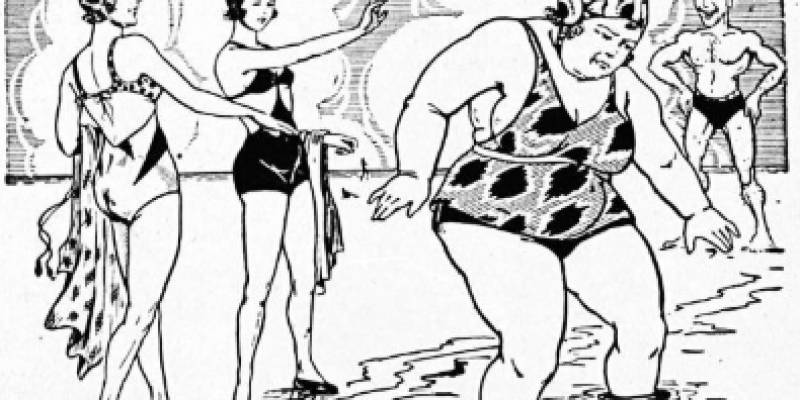
From a very young age, children are taught what the “ideal” body should look like. If someone is fat, people laugh. If someone is too thin, they’re mocked. It doesn’t matter if they are healthy, talented, or kind—our society sees their body before it sees their soul.
“Motey!”[Text Wrapping Break]”Sukeko bokaa!”
[Text Wrapping Break]These words are thrown around carelessly, at school, at home, even by relatives who claim to love us. Some think it’s just teasing, but what it really does is create shame. Children grow up with insecurities planted deep in their hearts. They avoid mirrors. They hide in group photos. They stop eating or eat secretly. They stop believing they are enough.
Stunting: The Untold Story of Undernourishment
In rural Nepal, many children are shorter than average due to poor nutrition, poverty, and lack of health care. But instead of understanding this as a public health issue, our society often makes it a point of mockery. Short boys are called weak. Short girls are told no one will marry them.
What people don’t realize is that behind that short height could be a childhood of hunger, economic struggle, or poor access to health services. They don’t need jokes—they need support, nutrition, and dignity.
Colourism: Still Trapped in Fairness Obsession
“Gaurie ramri chha.”[Text Wrapping Break]“Kaali chhori bhaney ta ta jhan garo.”
This is something many Nepali girls—and boys—grow up hearing. The obsession with light skin is still deeply rooted in our culture. Fairness creams are sold as a ticket to beauty. Dark-skinned people are often called dirty or unattractive, even within their own families.
We forget that skin color is just biology. It says nothing about our dreams, our intelligence, or our worth. And yet, so many young people grow up wishing they were someone else—just because of their skin.
Accent and Language: A Weapon for Division
In a diverse country like Nepal, people speak many languages and dialects—Maithili, Bhojpuri, Tamang, Tharu, Limbu, Magar, Doteli, and many more. But still, if someone speaks Nepali with a different accent, they’re mocked. Their voice is made fun of. Their identity is questioned.
This linguistic bullying creates shame around our own roots. A child from the Terai may hesitate to speak in class. A young boy from the mountains may stop using his mother tongue in public. Slowly, we erase the very beauty of our diversity in the name of “proper” speech.
The Impact We Don’t See
This kind of bullying—based on body, color, language, or shape—does not leave bruises on the skin. But it leaves deep scars inside. It kills self-esteem. It creates anxiety and depression. Some people carry this pain for life.
We need to understand that words matter. Jokes matter. Comments made in passing can stay in someone’s heart forever.
What Can We Do?
Start at Home: Let’s stop making fun of our own children, siblings, and relatives based on looks. Teach them that beauty comes in all forms.
Change the Conversation: Compliment people on their talents, kindness, and efforts—not just their weight or fairness.
Celebrate Diversity: Promote different languages, cultures, and accents. No dialect is superior.
Stand Up, Speak Up: If you see someone being bullied, don’t laugh along. Speak up. Support them.
Be Kind to Yourself: Stop judging your own body based on unrealistic standards. Your shape, size, and skin are not your flaws—they are part of your story.
Conclusion
Nepal is rich in culture, diversity, and love—but we also carry deep prejudices. If we want to become a truly inclusive society, we must begin by changing how we see and treat each other. Let’s stop defining people by their bodies and start recognizing them by their humanity.
We are not our weight.[Text Wrapping Break]We are not our height.[Text Wrapping Break]We are not our skin color.[Text Wrapping Break]We are not our accent.
We are dreams, we are strength, we are voices—waiting to be respected, not ridiculed.